

 By Jessica Doe
Design is about producing experiences, not only about filling a place. Today’s interiors mix utility and narrative to let people experience something the minute they enter. Even the most common settings may be turned into emotional and sensory stories by creative materials, lighting, and shape. Branding is also quite important since it links visual identity to the surrounding design. Many companies, therefore, look for services such as logo design hong kong to guarantee that every aspect complements their spatial and conceptual objectives.
Creating Stories Through Space
Storytelling is at the core of immersive design. Every area speaks a narrative by means of movement, lighting, color, and texture. A concept-driven interior encourages individuals to engage rather than merely watch. From a retail space constructed around a future story to a restaurant evoking nostalgia with old materials, places that tell tales become attractions. A single idea—one that runs consistent from ceiling to floor—starts the change. Every choice is guided by this idea, so all tactile and visual components interact to support it. Spaces that tell tales encourage investigation, arouse interest, and finally create a lasting impact. Immersive design calls for purposefulness, not opulence. Every wall, nook, and substance should help the narrative being told.
Blending Design and Identity
Interior design and brand identification are now intertwined. A really immersive experience combines the visual DNA of the brand into the walls, fixtures, and even the aroma of a location. Logos, typefaces, and color schemes should feel like an extension of the space rather than an afterthought. That’s why elements like logo design hong kong have grown absolutely crucial for creating experiences where branding and design are harmoniously blended. For companies, this link increases awareness and loyalty. Customers recall not only what they purchased or where they ate but also how the environment affected them. Design reinforces the message in subtle but strong ways when it carries a consistent tone throughout physical space and brand graphics.
Sensory Elements Matter
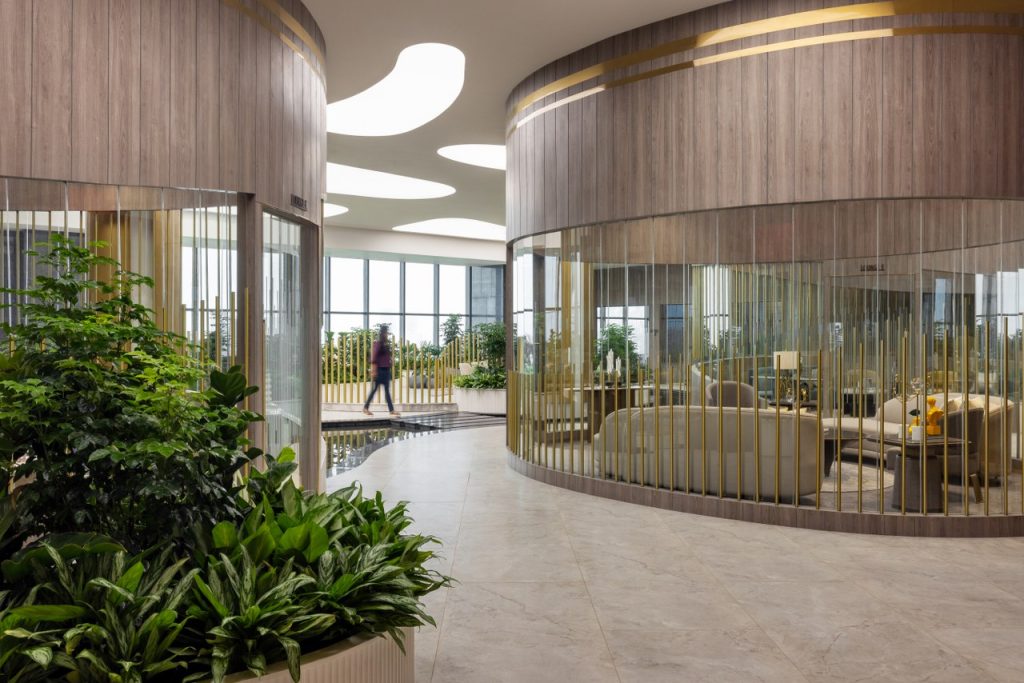
A very immersive interior involves more than simply visual engagement. All significantly influence how people engage with a space: lighting temperature, sound balance, and texture underfoot. Materials used wisely, well-designed soundscapes, and dynamic lighting change the mood, tempo, and energy of a room. Designers now attract attention, foster comfort, and direct behavior using sensory layering. Natural materials soften contemporary spaces; reflected surfaces increase openness; textured walls add depth. These selections are experience instruments, not ornamental. They combine to provide a whole sensory experience that lasts long after the visit.
Function With A Creative Edge
The most engaging designs still have to be useful. Layouts have to fit practical needs, paths have to flow, and seating has to be comfortable still. The difficulty is in combining utilitarian components with creative narrative in a way that preserves both.
Smart design addresses issues aesthetically. It changes ignored spaces—stairwells, corridors, and waiting rooms—into experience elements. Every aspect is a possibility to create, from interactive installations to sculptural lighting fixtures. Design becomes the experience itself when function is infused with idea; it stops being background.